When Not To Go To Broome?
The months when Broome is at its trickiest for a sunset cruise, from the monsoon trough to the gaps between boat seasons, with the operator-stated windows side by side.
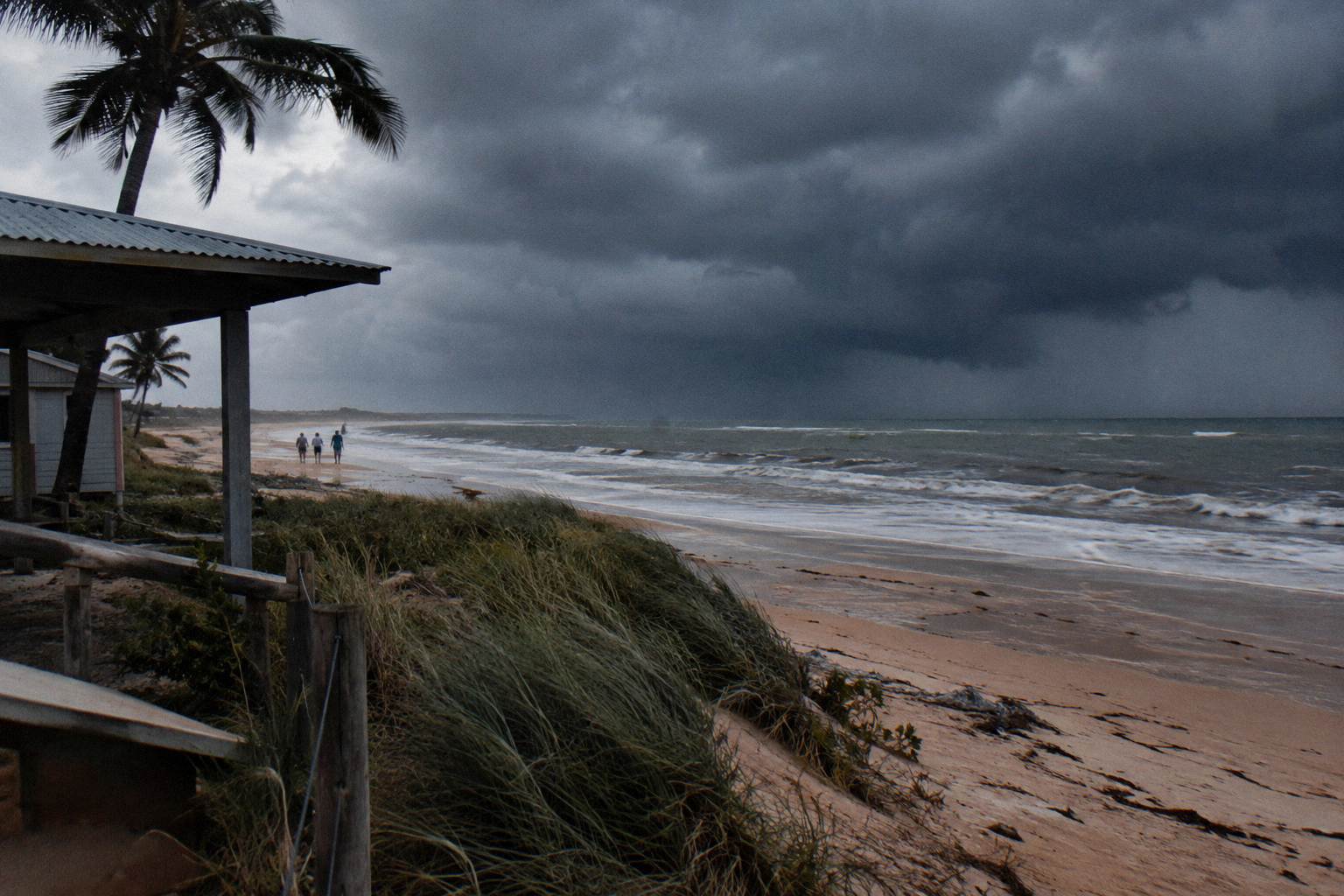
The clearest answer is the peak of the wet season: January to March, which Visit Broome describes as monsoonal, with the most rain and possible flooding and cyclones. The second window to treat carefully is the gap between boat seasons, roughly late December to early March, when the sunset cruise operators are mostly not sailing. December can still deliver, but it sits at the damp edge of the year.
Most planning advice about Broome is written to sell the dry season, and the dry season deserves the reputation. The harder question is the other half of the year, because "not go" is not one answer here. There are three separate clocks ticking: the town's weather calendar, each boat operator's sailing season, and the whale season that only overlaps part of the year. A month can be fine on one clock and closed on another. February, for instance, sits squarely in the wet, and no sunset cruise operator lists it in a season.
The useful framing is to think in windows rather than bans. Visit Broome, the town's visitor centre, splits the year into a dry season that usually runs May to October and a wet season that usually runs November to April. Within the wet, it singles out January to March as the monsoonal stretch, the months with the most rain and the possibility of flooding and cyclones. That is the town's own wording, and it is the only weather warning worth repeating, because no operator page publishes month-by-month temperature, rainfall, wind or sea-state figures.
That last point matters more than it sounds. A lot of travel content invents comfort numbers for Broome, degree ranges and rainfall totals and humidity percentages. None of that appears in the sources here, so this page prints none of it. What can be stated plainly is the seasonal shape of the year, the operators' own season windows, and what happens to a booking when weather closes a trip down. Everything below is built on that footing.
This article walks through the months that deserve caution, one clock at a time: the wet season itself, the gaps between the boats' seasons, the shoulder months where the answer is genuinely mixed, and the whale calendar for anyone whose heart is set on humpbacks rather than a plain sunset. Along the way it covers what a cancellation actually means for your money, and the one off-season trade-off Visit Broome itself points out, which is that the wet months produce the town's most dramatic skies.
What Are The Wet Season Months In Broome?
Visit Broome puts the wet season from November to April and the dry season from May to October, and within the wet it names January to March as the monsoonal months with the most rain and possible flooding and cyclones. For sunset cruising, that three-month stretch is the one most worth avoiding, and November and April are transition months rather than reliable ones.
The visitor centre's climate page is the source for all of this, and its wording is careful: the seasons "usually" fall where they fall. The dry months bring the conditions the town is famous for, and the wet months bring the monsoon trough, with January to March called out specifically as the wettest and most flood and cyclone prone. If a trip can only happen inside that window, a boat sunset is the part of the Broome itinerary to treat as uncertain rather than planned.
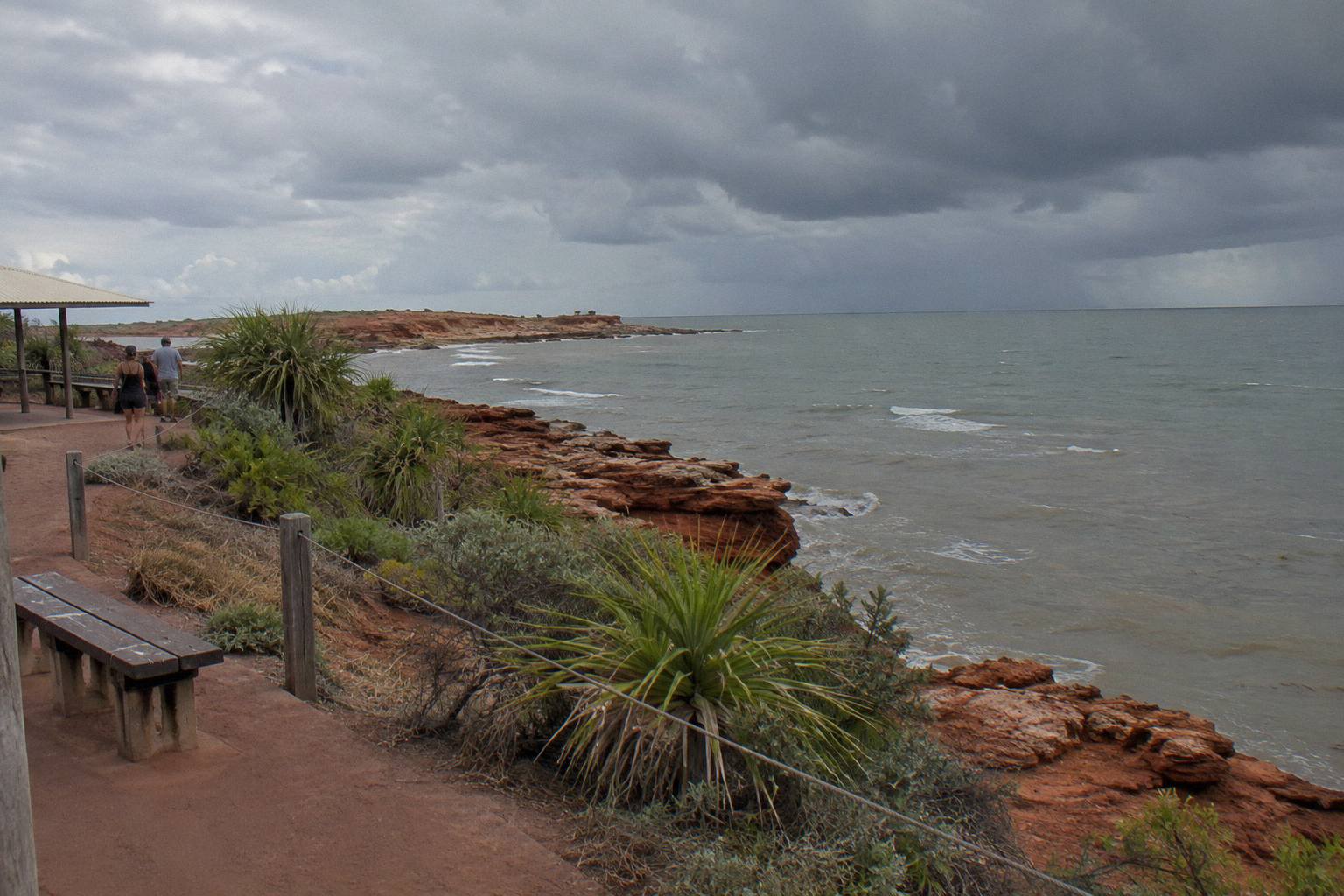
There is a genuine counterpoint, and it comes from the same source. For December to March, Visit Broome notes "magnificent sunsets and amazing lightning displays". The wet season is not a dead sky. It is a sky that puts on a show of a different kind, and some photographers plan around it deliberately. The catch for this site's purposes is practical: watching that sky from a boat requires a boat that is running, and in the deepest wet months, mostly it is not. The show is watched from land, not from the water.
That is the shape of the honest answer. The wet season itself is not a reason to skip Broome, it is a reason to reset what the evenings look like. Land-based viewpoints, storm watching from the shore, and the possibility that any sailing is weather-dependent: that is the trade. Anyone weighing whether the price of the dry-season crowd is worth it can compare the two halves of the year in the guide to choosing the best month for a sunset cruise, which keeps the calendar and the boats side by side.
One caution on language: none of this makes the wet "unsafe" as a blanket claim, and no operator page frames it that way either. What the operators state is narrower and more useful. Each one cancels for weather, and each one states what happens to your money when it does. That is covered further down, in the section on cancellations, because it is the part that actually touches a booking.
When Do The Sunset Cruise Boats Stop Running?
Each operator keeps its own season, and they do not line up: Broome Whale Watching's dolphin sunset cruise runs March to June and September to December, and Broome Tours runs April to early December. Late December through February is the common quiet patch, when the boat calendar thins out and the wet season owns the evenings.
This is the detail that catches out the most visitors, because the boats do not share one calendar and no single month is "the cruise season" in the way a brochure implies. The gaps between seasons are real and they are specific to each operator. A traveller aiming for a February sailing will find essentially nothing on the water; a traveller in April has at least two operators running and a third that may be.
| Operator | Stated season for sunset cruising | Source of the window |
|---|---|---|
| Broome Whale Watching | March to June and September to December (dolphin sunset cruise) | Operator's own tour page |
| Broome Tours | April to early December (cruising season; boom-net swimming April to early October) | Operator's own pages |
Read that table the way a booking decision reads it, not the way a ranking would. The dolphin sunset cruise from Broome Whale Watching has a curious shape: two separate windows with a hole in the middle, because July and August sit in its whale-cruise period instead. Broome Tours runs one long stretch through most of the calendar, so between them the canape sunset cruises cover most of the year.
The practical upshot for timing is straightforward. The months where every operator is confidently active are the dry-season core, May through October give or take an edge. The months where choices thin out are the shoulders, and the months where a sunset cruise is effectively off the table are the deep wet. If the trip dates are locked to the quiet patch, the honest move is to plan the evening around land-based options and treat any sailing that does run as a bonus, not a centrepiece.
What About The Shoulder Months?
November, December, early March and April are the swing months, and each carries one caution: November and December sit inside the wet season on paper while the boats are still finishing their runs, and March and April sit at the monsoon's exit while the seasons are only just reopening. None is a hard no, but none is the safe bet the dry core is.
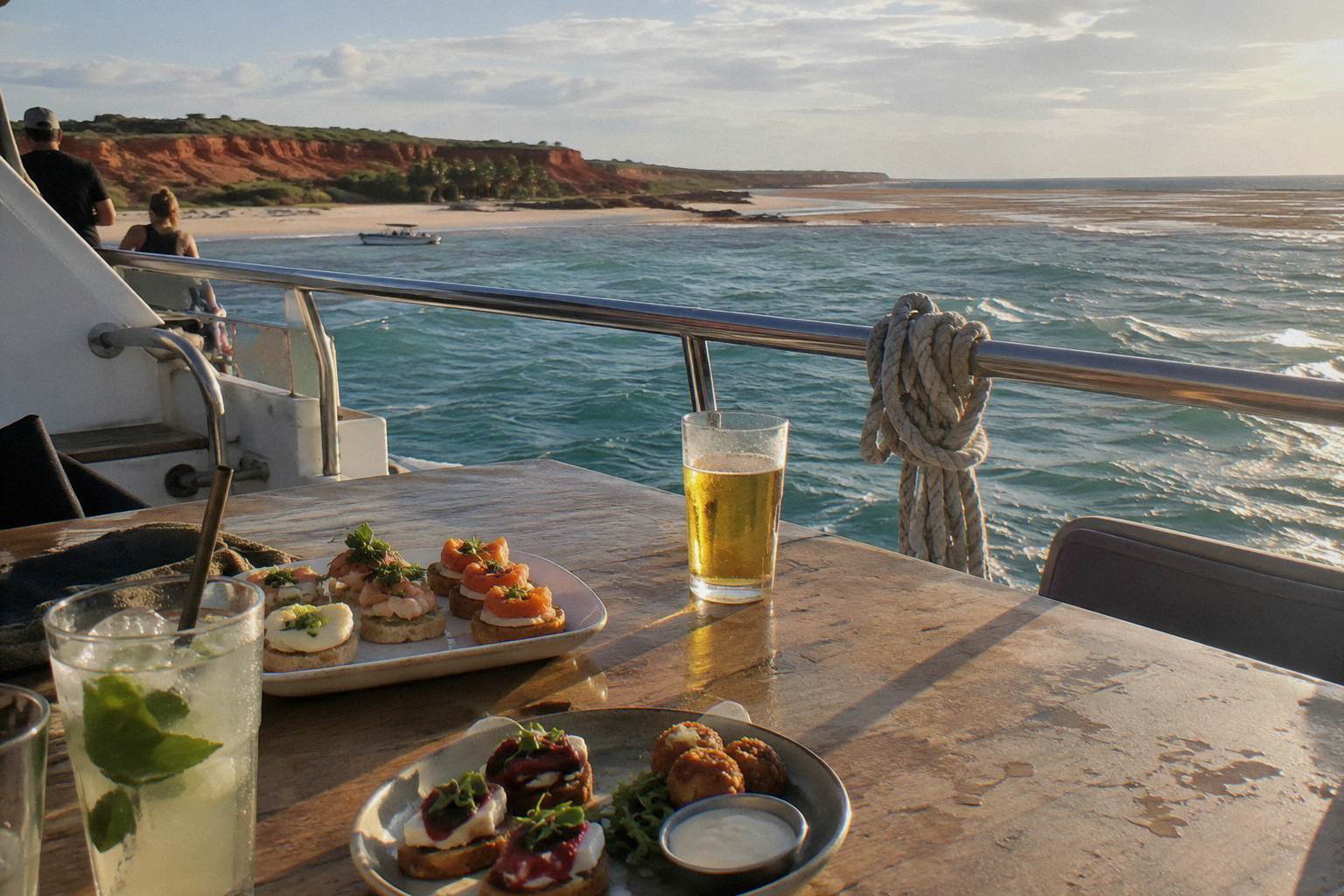
Take them one at a time, using only what the sources state. November is a wet-season month by the visitor centre's definition, yet Broome Tours is still sailing and Broome Whale Watching's dolphin cruise is in its September-to-December window. The risk profile is early-wet: the monsoon is arriving but the boats are out. December pushes further; Broome Tours closes early in the month, and the remaining option is the operator that runs on weather alone.
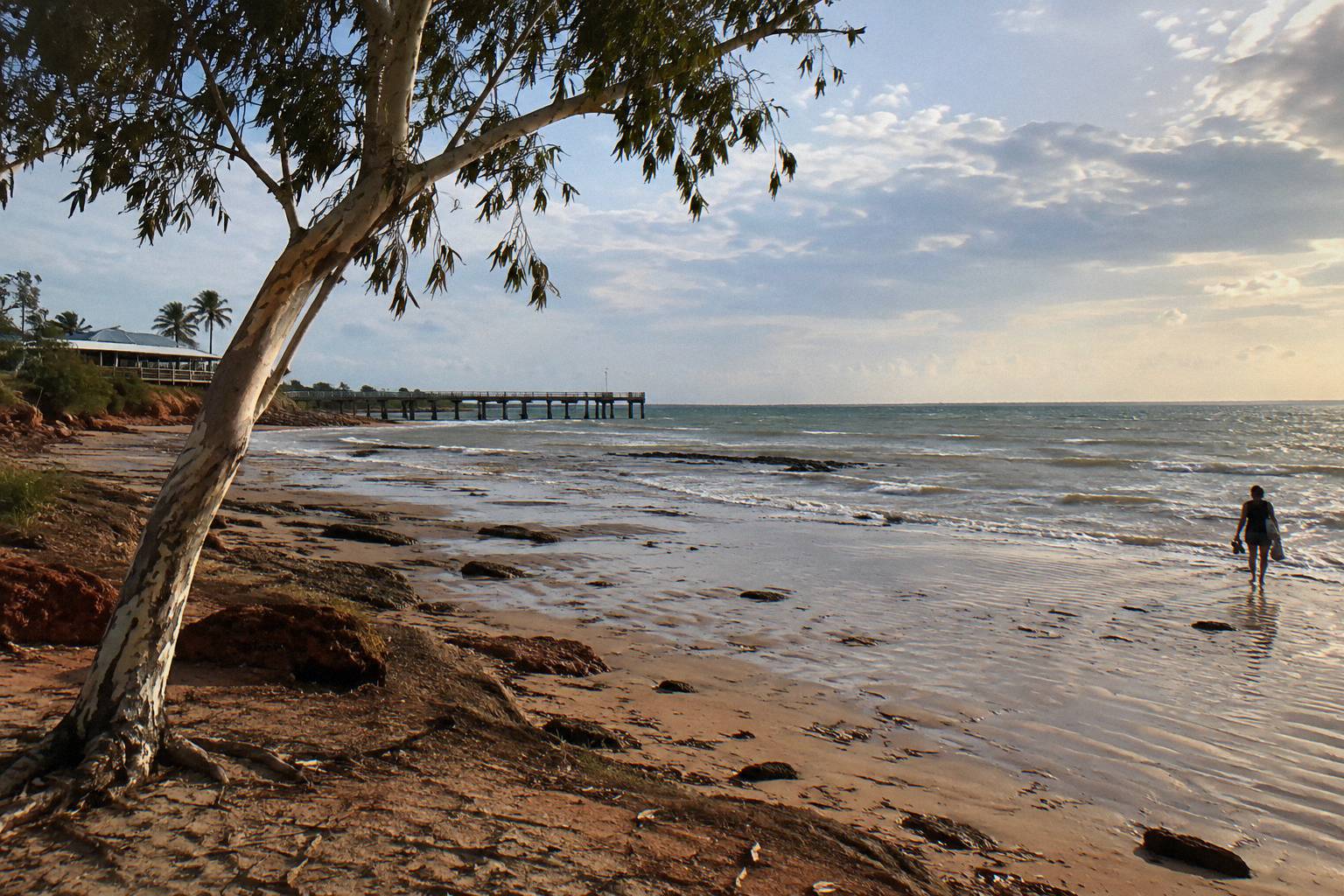
March flips the question. The monsoon is winding down, Broome Whale Watching reopens its dolphin sunset cruise during the month, and Broome Tours is not far behind in April. But March is still, by Visit Broome's own grouping, inside the wet season and inside the January-to-March monsoonal window. It is the month where the calendar and the boats disagree, and the tie-breaker is the weather on the day. April is easier: the wet is over, the dry is arriving, and the boat calendar is filling back in.
One more shoulder consideration is sunset timing, which people often forget is seasonal in the tropics. Approximate sunset in Broome runs from about 6:33pm in January down to about 5:23pm in June and back up to about 6:22pm in December, from a NOAA solar calculation, give or take two minutes, in Western Standard Time. A shoulder-month trip in June means a late-afternoon departure rather than an evening one, and the boats leave earlier than sunset in any case. The monthly breakdown lives in sunset times by month.
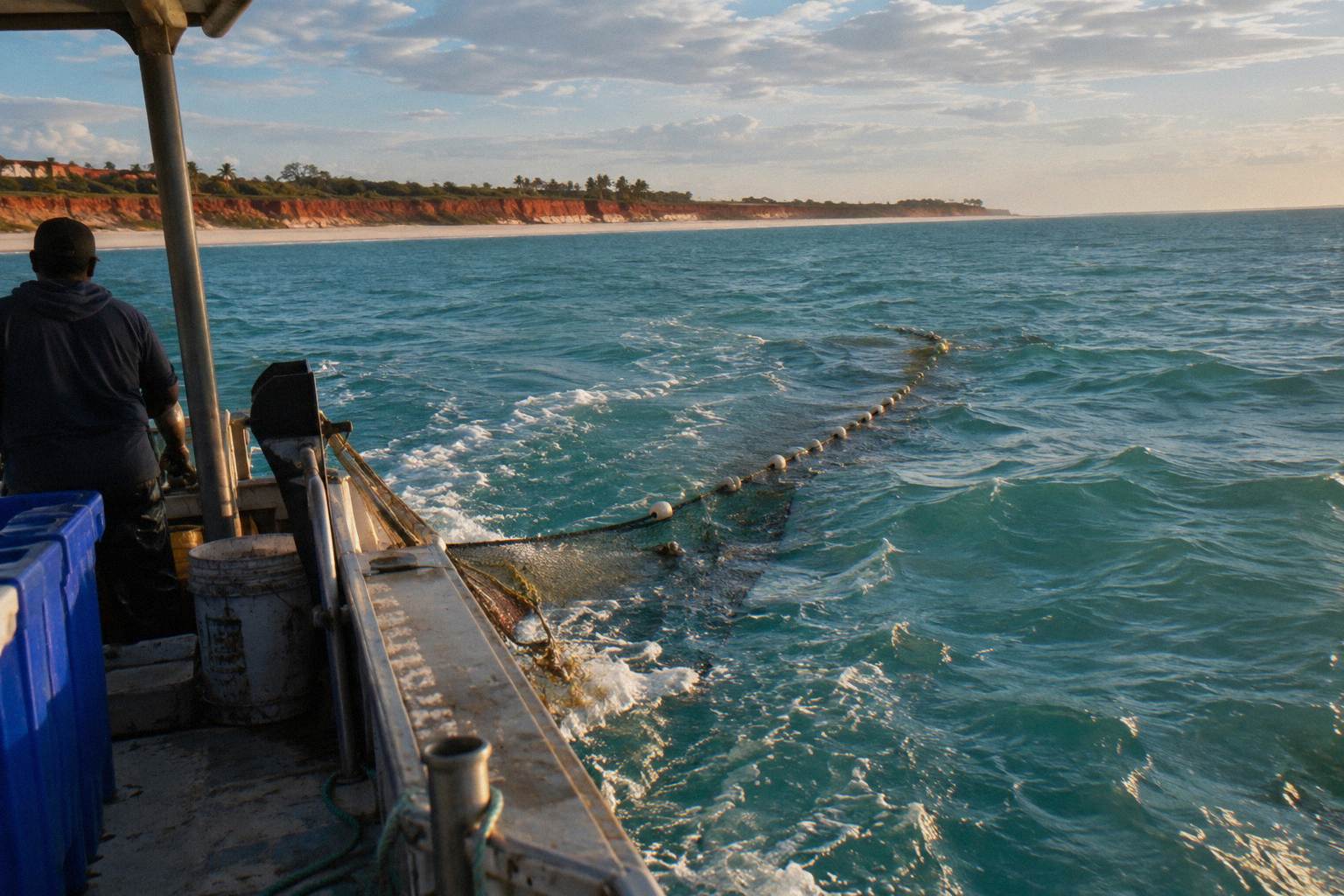
A reasonable way to summarise the shoulders: they are months to book with flexible expectations rather than months to avoid outright. The operator's own cancellation terms, not the season label, are what decide a bad-weather day. And for anyone whose shoulder-month trip must include a specific boat, the quiet test is to check whether that operator's season is open for the exact dates before anything else is booked.
Do Cyclones And Flooding Cancel Boat Trips?
Yes, weather closes trips, and every operator states its own response: Broome Whale Watching and Broome Tours reschedule or refund when they cancel for weather. Operators also cancel for low numbers at Broome Whale Watching. None of them promises a sailing, and none should be asked to.
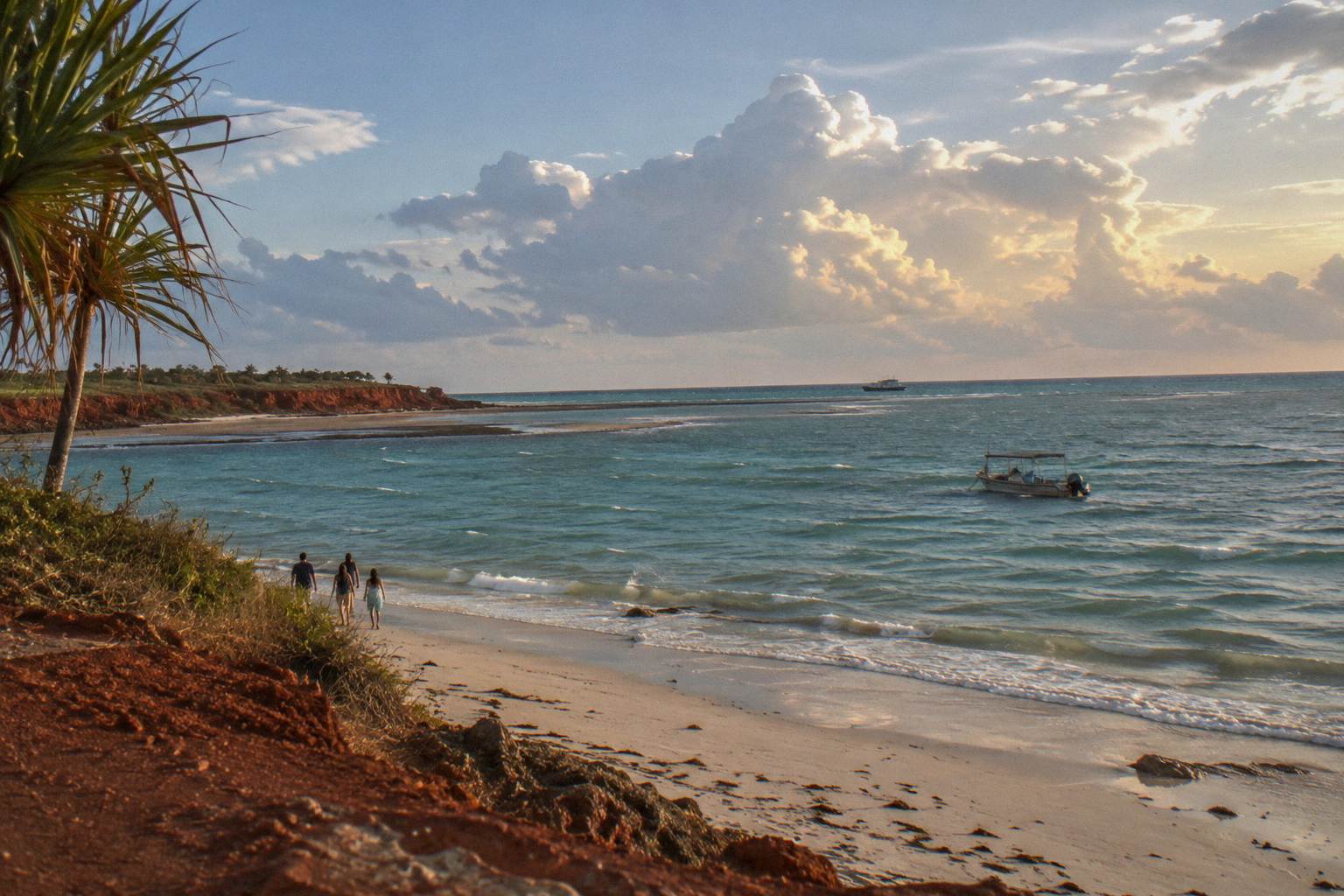
The cancellation terms are where a wet-season booking is actually won or lost, so they deserve their own read. Each operator publishes them plainly. Broome Whale Watching gives no refund inside 48 hours of departure, asks a week's notice for bookings of four or more guests and two weeks for exclusive charter, and reschedules or refunds in full when it cancels for weather or low numbers. Broome Tours gives a full refund more than 48 hours out, with the fare lost inside 48 hours, and refunds in full when the operator cancels for weather or mechanical reasons.
| Operator | Guest cancellation window | When the operator cancels | Low-number cancellations |
|---|---|---|---|
| Broome Whale Watching | No refund inside 48 hours; groups of 4 or more need a week's notice | Rescheduled or refunded in full | Yes, reschedule or full refund |
| Broome Tours | Full refund more than 48 hours out; fare lost inside 48 hours | Full refund for weather or mechanical cancellation | Not stated as a cancellation ground |
Two cautions sit beside that table. First, the booking page a guest actually books on may show its own terms, and some show free cancellation up to 24 hours; the page you transact on is the one that governs, so read it rather than assuming. Second, none of this makes a wet-season trip risky in the way a scare headline would frame it. The operator-stated facts are narrower: boats cancel for weather, and there is a defined process when they do. The deeper answer to whether rough evenings sink plans is in what happens when a sunset sail is cancelled.
It is also worth saying what is not stated anywhere, because the absence is loud. No operator page addresses sea state, swell, seasickness rates, stingers, crocodiles or sharks. This page will not fill that silence with borrowed authority. If a traveller wants the sea-condition picture for a specific month, the operator is the right place to ask, and the booking confirmation is where day-specific decisions land.
When Not To Go For Whales?
The whale-season cruises only exist inside narrow windows, and each source gives its own: Visit Broome says humpbacks winter in Kimberley waters from June to mid September with tours from late June or July to September, and Broome Whale Watching and Broome Tours run late June to early September, so the two bookable whale cruises sit inside that stretch.
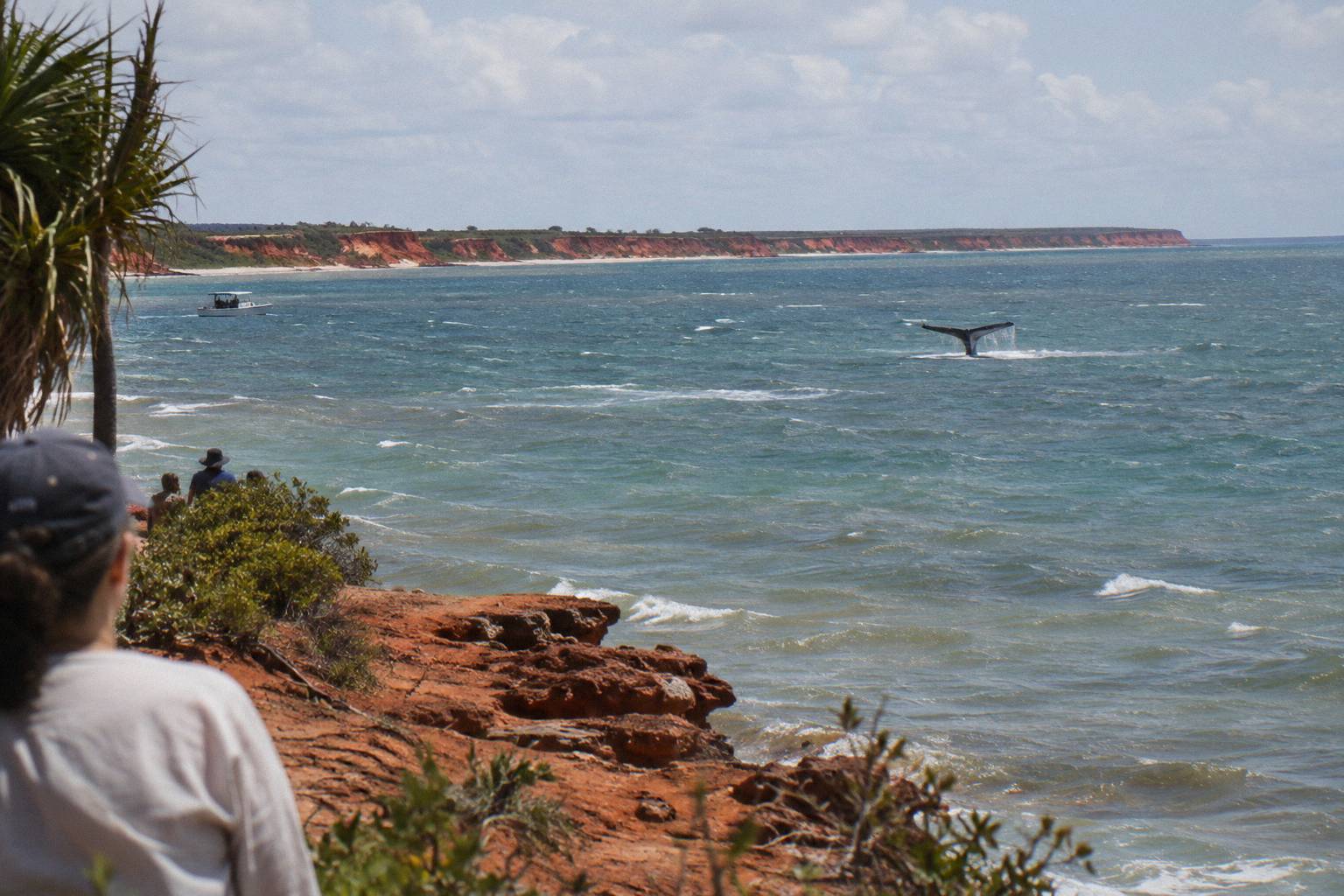
Outside those windows, a whale-and-sunset cruise is simply not the product on sale, and booking a sunset cruise in, say, November in the hope of humpbacks is a category error. The two canape cruises are year-to-most-of-year products; the whale versions are a seasonal overlay. Anyone planning around humpbacks should also read whether whales appear on a Broome sunset sail, which keeps the windows and the no-guarantee reality together.
The no-guarantee part is not boilerplate. Broome Whale Watching states that mothers and calves are usually seen late August to mid September and that sightings are not guaranteed. Neither the booking pages for the whale cruises nor the operator's season dates change that reality; both are honest framing of odds no one can control, and you should book with that framing in mind rather than an expectation.
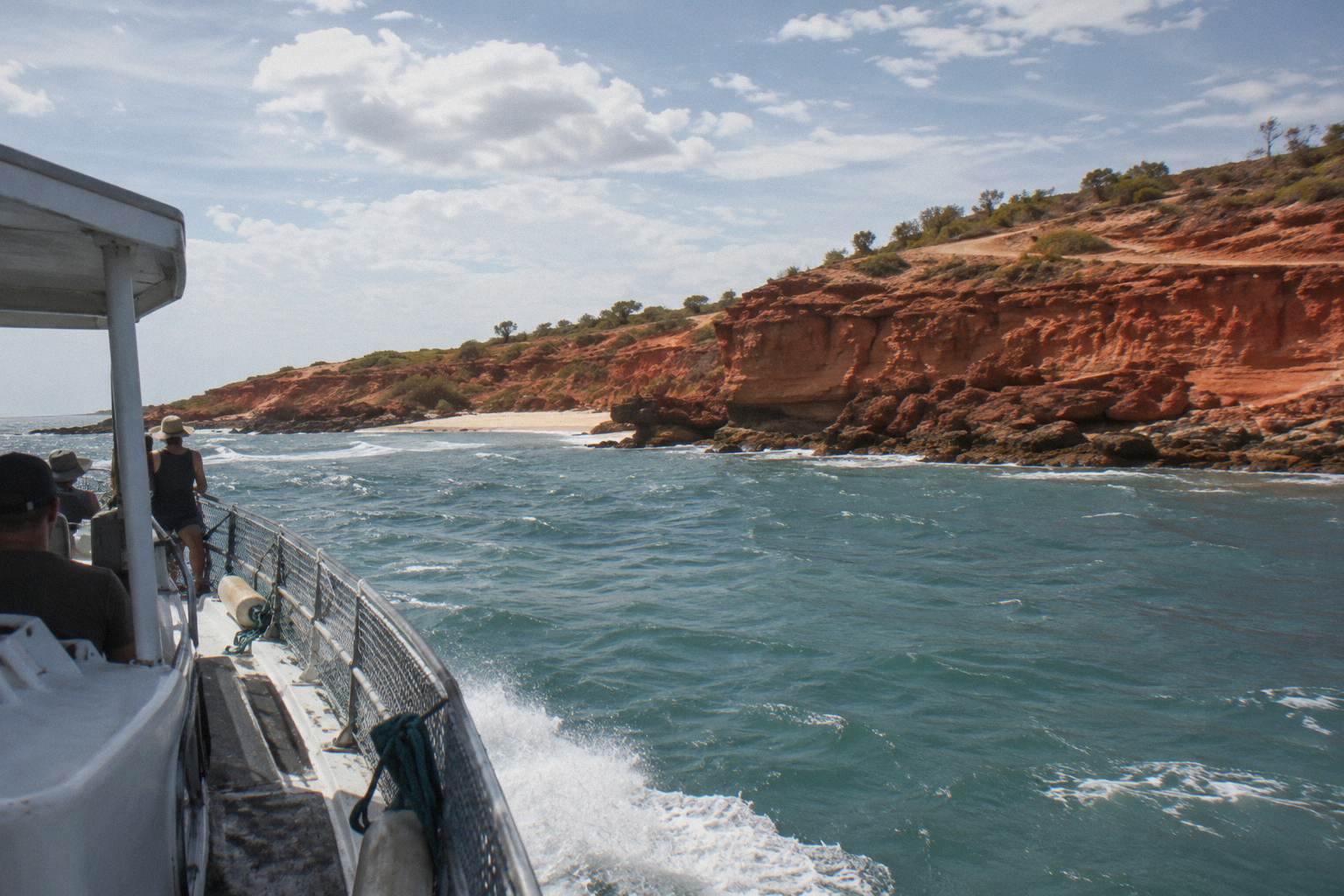
For the "when not to go" question, the whale calendar sharpens rather than replaces the weather answer. The deep wet months fail on both counts at once: no whales and, on most boats, no sailing. The dry core succeeds on both. The genuinely interesting edges are June, when the whale season is opening as the dry sets in, and September into early October, when the whales are leaving but the boats are not. Those edges are where a whale-focused traveller gets the benefit of the dry without the peak-season squeeze.
What If Your Dates Are Already Locked?
If the dates fall in the deep wet, plan the evenings on land and hold any boat booking loosely: book only what the operator's season confirms is running, prefer terms you can live with if weather cancels, and treat any year-round claim as weather-permitting rather than guaranteed. A wet-season sunset watched from the shore is still a Broome sunset.
The order of operations matters when flexibility is gone. Check the operator's stated season first, because a closed season is a fact no weather forecast fixes. Check the cancellation terms second, since a weather-dependent month makes those terms live rather than theoretical. Read the specific booking page third, because it may show its own conditions, including on some pages free cancellation up to 24 hours. That sequence is the whole playbook, and it fits in a phone note.
For travellers who land in the workable months, the choice among the boats is a real one. Broome's Iconic Catamaran Sunset Cruise on the 42-foot Ballena carries up to 36 guests with canapes and a fruit platter included, and adults are A$160 with the operator; check availability on the live listing for your dates.
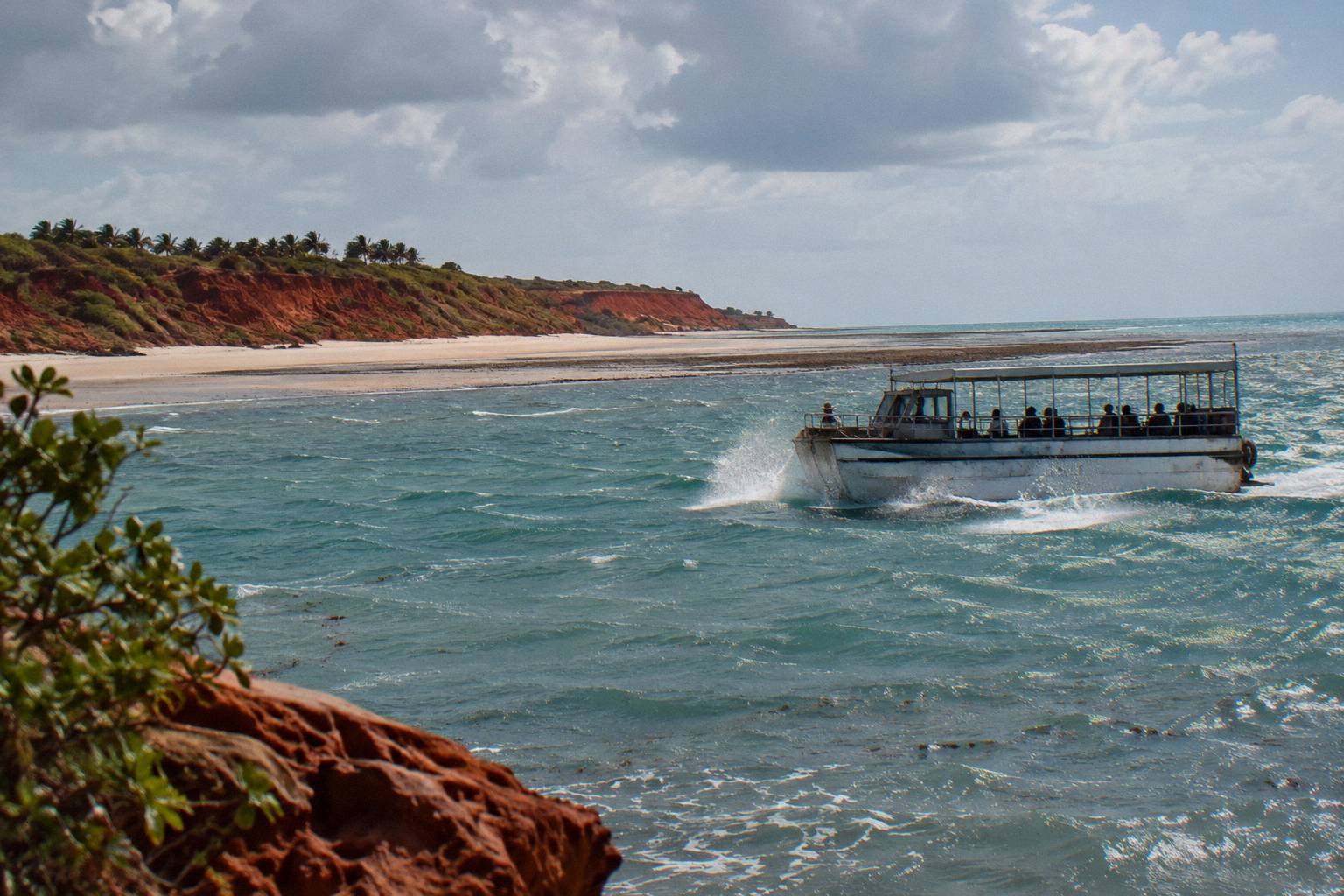
This site, Broome Sunset Cruises, exists to make that choice easier without inventing certainty. No operator publishes demand or sell-out statistics, so no page here will say how far ahead to book as a number. What can be said is structural: the dry months run more boats more often, the wet months run almost none, and every operator states its season on its own page. Timing questions and boat questions are easier answered together than apart.
A last thought for the locked-date traveller in the shoulder months: the Staircase to the Moon, the full-moon rise over Roebuck Bay's tidal flats, happens two to three nights a month between March and October and is watched from Town Beach, not from a boat. No cruise on the roster is a Staircase cruise, and none returns you for the moonrise. But for a March or April trip it is a second evening to plan beside the sailing, and the Staircase to the Moon dates page holds the calendar.
Common Questions About When Not To Go To Broome
When Not To Go To Broome?
Avoid January to March if the trip hinges on a sunset cruise: Visit Broome calls those months monsoonal, with the most rain and possible flooding and cyclones, and they coincide with the quietest stretch of the boat calendar. Late December and February are the hardest months to find a sailing at all.
Is The Wet Season Bad For Sunsets?
No, and Visit Broome says the opposite for December to March, noting magnificent sunsets and amazing lightning displays. The constraint is the boats: in the deepest wet months most sunset cruises are between seasons or running weather permitting, so the show is usually watched from land.
Do Any Sunset Cruises Run Year Round?
Broome Tours runs April to early December, and Broome Whale Watching's dolphin sunset cruise runs March to June and September to December, so none of the bookable cruises runs the full year.
What Happens If Weather Cancels My Cruise?
Each operator states its own terms. Broome Whale Watching and Broome Tours reschedule or refund in full when they cancel for weather. The page you book on may show its own conditions, so read its terms before paying.
When Is Whale Season In Broome?
It depends on the source: Visit Broome says humpbacks winter in Kimberley waters from June to mid September, and Broome Whale Watching and Broome Tours run their whale-and-sunset cruises late June to early September. No sighting is guaranteed.
Are November And December Good Months?
They are shoulder months with a wet-season label. The boats are still finishing their seasons, with Broome Tours sailing to early December and Broome Whale Watching's dolphin cruise to December, but the monsoon build-up is under way. Book with the cancellation terms in mind and hold plans loosely.