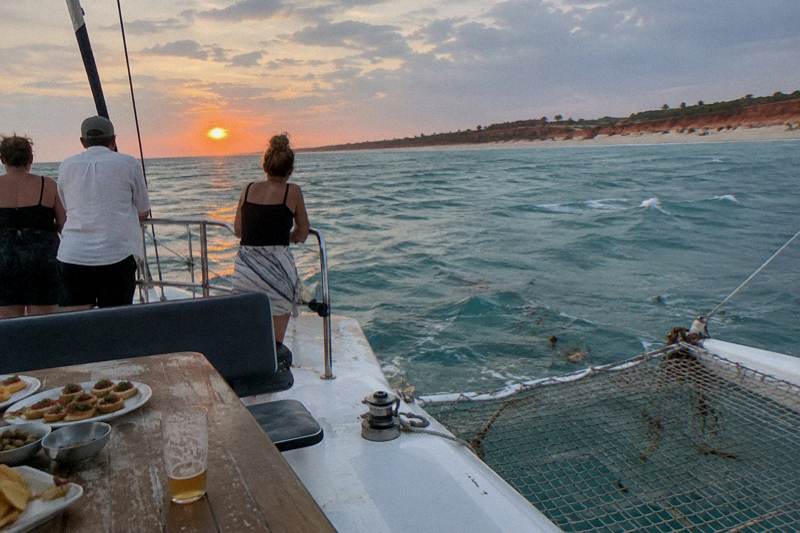
Photographing The Sunset From A Boat: Settings And Seat Choice
Broome's sunsets are the reason the town's evening boats exist, and photographers decide on a cruise partly for the vantage point. This page sets out what is actually stated: approximate sunset times by month, the three operators' vessels and deck layouts, the routes as the operators describe them, and what to pack.
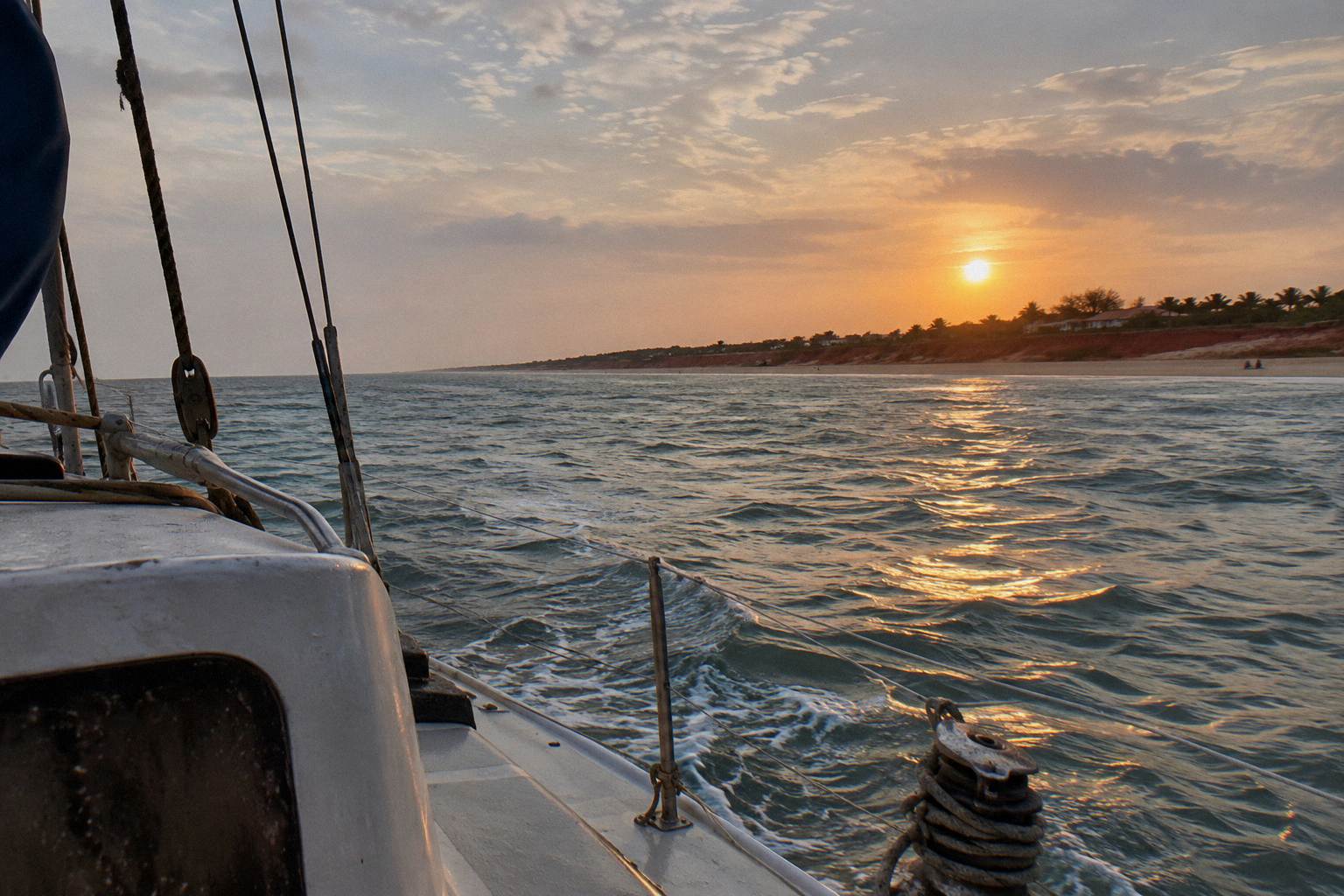
Short answer
The sun sets in Broome between about 5:23pm in June and about 6:33pm in January, by an approximate solar calculation, and every cruise departs ahead of sunset. Three operators run the evening boats, all catamarans or amphibious beach-launch vessels boarded from the sand, with shaded and open seating that shapes where you can shoot from.
Why A Boat Changes The Photograph
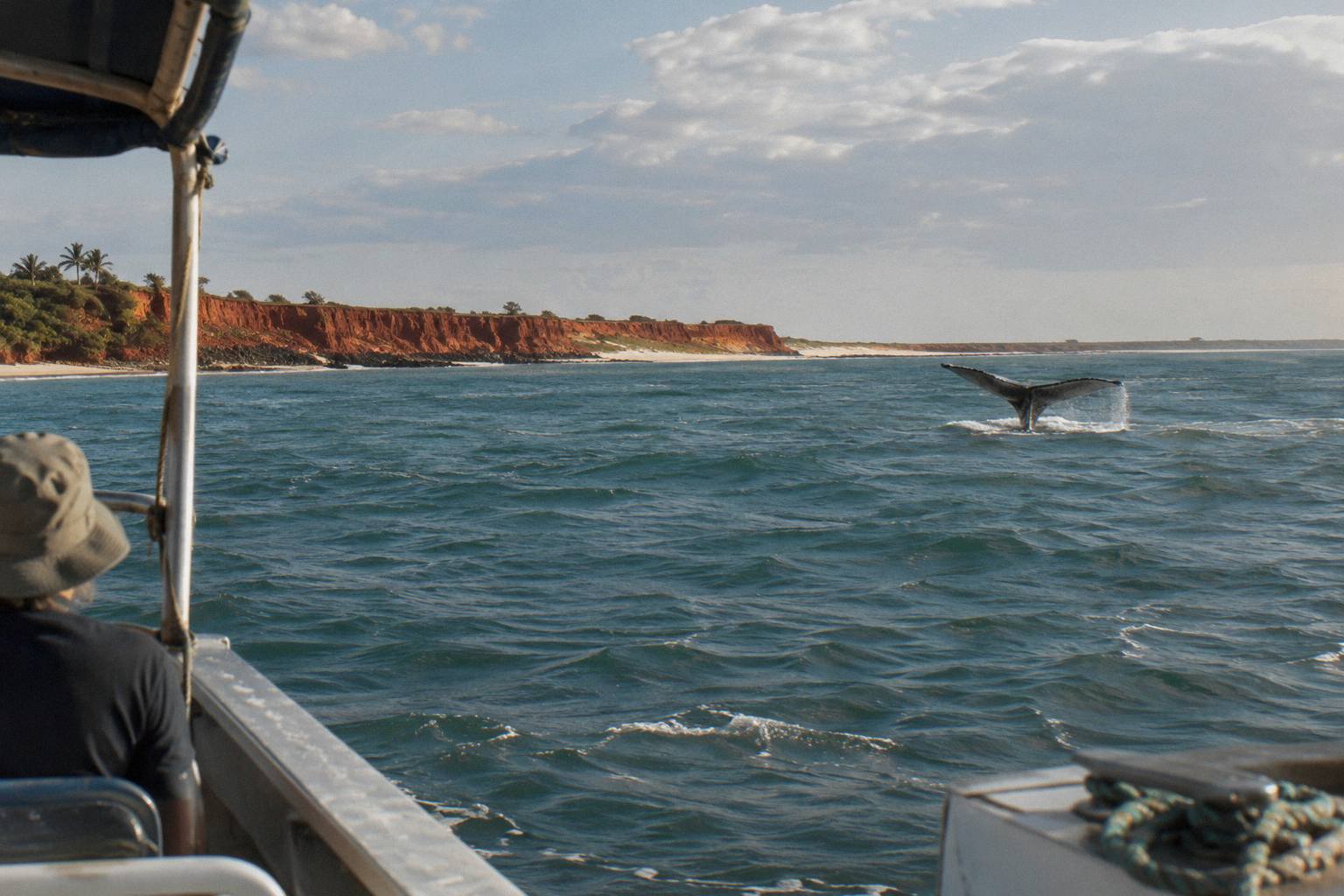
Broome has no marina and no jetty, so every sunset boat boards straight off the sand and puts you on the water with the town's landmarks, Reddell Beach, Cable Beach, Gantheaume Point, Entrance Point and Roebuck Bay, as the named stops on the operators' routes. That is the whole photographic argument for a cruise: you are offshore, low to the water, with the coastline as your foreground rather than in front of you. What the sources do not contain is any description of the light itself, the colours or the cliffs, so this page will not invent them. What can be stated is the geometry: three operators, catamarans and amphibious beach-launch boats, and a set of route landmarks each one names on its own pages.
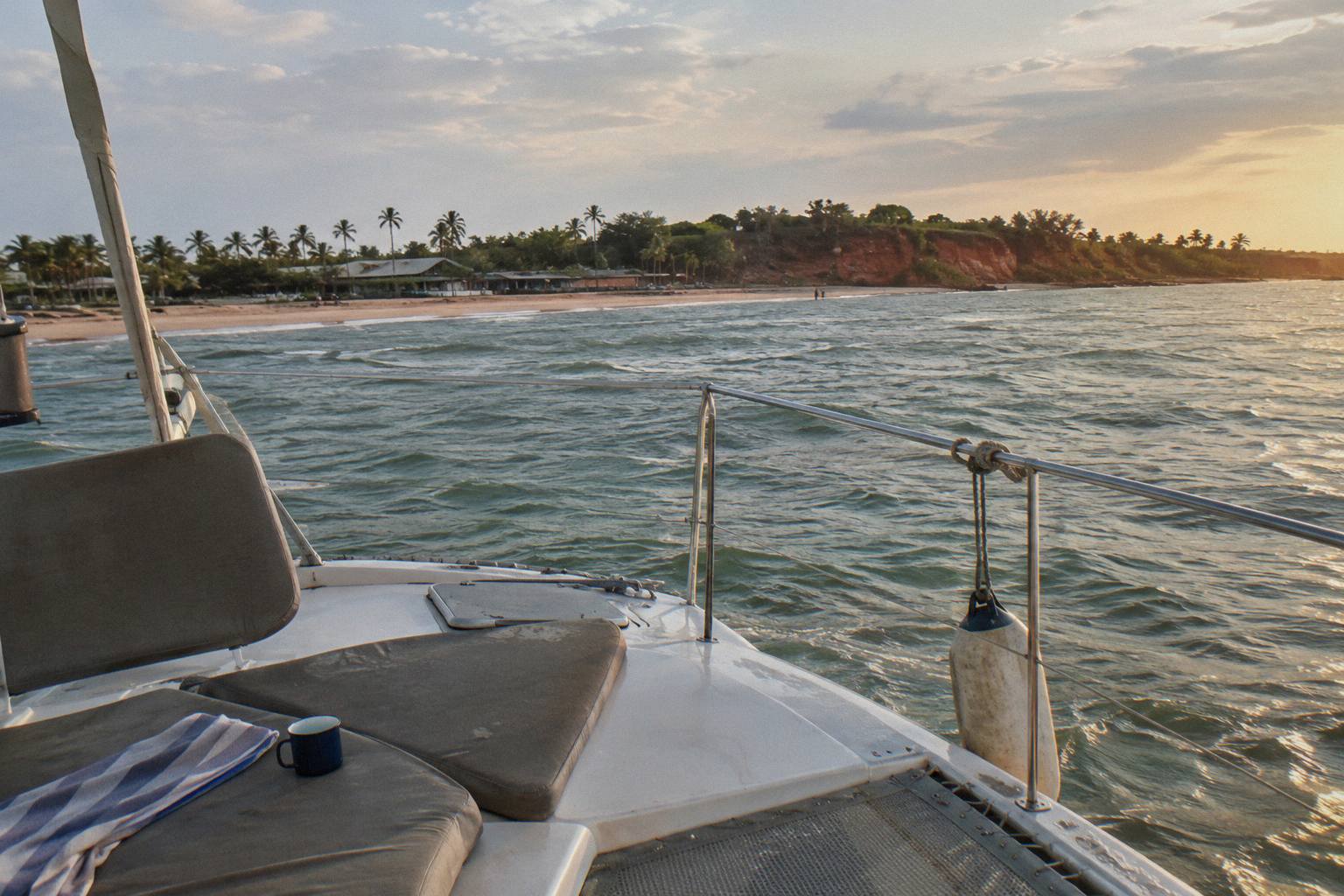
The two operators behind the bookable cruises on this site are Broome Whale Watching and Broome Tours, both catamaran operators boarding from the beach, since Broome has no marina or jetty. Their boats differ in size, capacity and deck layout, which matters more to a photographer than any other single booking decision, because the deck decides your angles. If you are weighing the whole evening against the beach alternative, the camel ride or boat at sunset comparison breaks down what each experience offers.
One honest scope note before anything else: the sources name the route landmarks and nothing more. No operator page describes the view, the colours or the light from the water, and this page will not fill that gap with adjectives. What follows is everything stated: times, boats, decks, routes and packing lists.
A word on how to read this page if you are deep in trip planning rather than gear planning. The sections stand alone, so you can jump to the boat layouts if the decision is which deck to book, to the sunset table if you are picking a month, or straight to the booking section if you already know the boat and just want the cancellation rules before you commit. Every figure here is an operator's own published number or an attributed Visit Broome fact, and where something is not stated anywhere, the page says so rather than reaching for a plausible-sounding number.
What Time The Sun Sets In Broome Each Month
Sunset in Broome moves between about 5:23pm in June and about 6:33pm in January, Australian Western Standard Time, which has no daylight saving, by an approximate solar calculation accurate to about two minutes, and every boat departs ahead of it, never at it. These are sunset times, not departure times. No operator prints a departure clock time on its page; the booking page and confirmation give the pickup or meeting time, which shifts through the year as the sun moves.
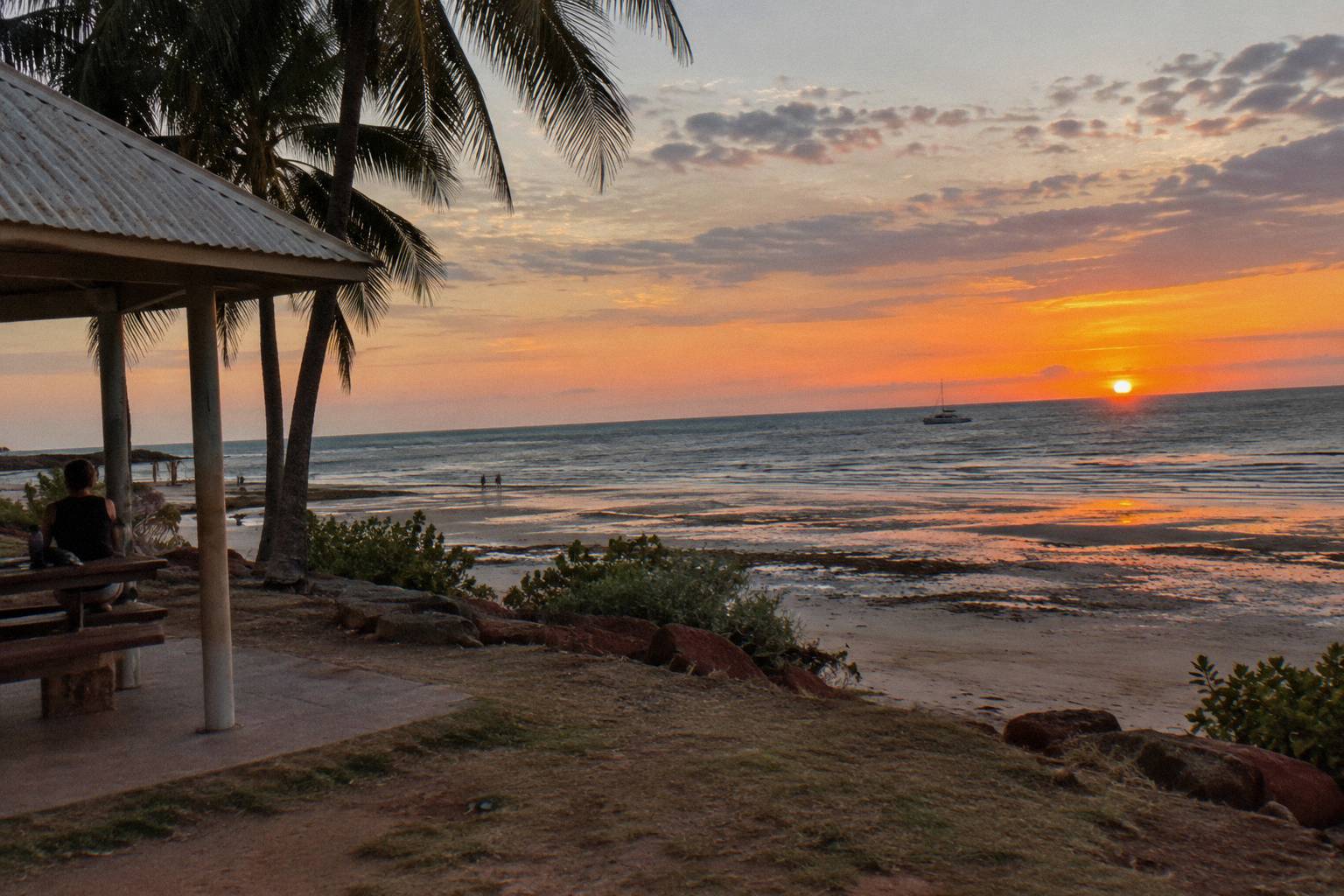
Visit Broome publishes no monthly sunset table; these figures come from a solar calculation for Broome for the 15th of each month. The official calculators, if you want to pin a specific date, are Geoscience Australia and the Bureau of Meteorology. For a working photographer the table is a planning tool, not a schedule: it tells you how much daylight sits behind the sailing, how early the courtesy bus will collect you in the middle of the year, and how late you will be back at your accommodation at the height of summer.
| Month | Approximate sunset (15th) | Month | Approximate sunset (15th) |
|---|---|---|---|
| January | about 6:33pm | July | about 5:31pm |
| February | about 6:26pm | August | about 5:41pm |
| March | about 6:07pm | September | about 5:46pm |
| April | about 5:42pm | October | about 5:51pm |
| May | about 5:26pm | November | about 6:04pm |
| June | about 5:23pm | December | about 6:22pm |
For a photographer the practical reading is that the window shifts by more than an hour across the year. A June cruise is an early-evening affair, with the boat returning while plenty of light remains in the sky for a second location afterward. A January or December one pushes well past 6:30pm, which changes what you carry, what you wear, and whether a second shoot afterward is realistic at all. If your planning hinges on the clock, the sunset times by month guide carries the full breakdown, and the best month for a sunset cruise guide weighs the seasons against it. Do not read these times as operator schedules: each operator states its own cruising season separately, and the seasons do not line up neatly with the solar calendar.
Beyond the clock, the bigger picture is the season itself. Visit Broome describes the dry season as usually May to October and the wet season usually November to April, and notes that December to March brings, in its own words, magnificent sunsets and amazing lightning displays, on its climate page. A photographer chasing storm light is planning a different trip from one chasing the dry-season standard, and the wet season sunset cruises and dry season sunset sailing guides split those two briefs properly.
A few patterns in the table are worth noticing before you book. The swing is not even across the year: the big month-to-month moves happen around March and again around November, when sunset shifts by roughly nineteen and thirteen minutes respectively between consecutive fifteenths, while the middle of the year barely moves at all. June and July sit within about eight minutes of each other, and May and August sit within about fifteen, so if your dates are flexible within that mid-year band the clock will not change your plans much. That flat stretch is why a photographer can book a dry-season trip in any of several months and know the light window will be nearly identical.
The shoulder months reward the closest attention. April and September hold almost the same sunset time, about 5:42pm and about 5:46pm, yet they fall in opposite seasons by Visit Broome's definition, April in the wet and September in the dry. October and February, at about 5:51pm and about 6:26pm, are thirty-five minutes apart despite sitting either side of the same boundary. If you are choosing between shoulder-month trips on light alone, the table says they can be close; the season definitions say the conditions around that light may not be, which is exactly the split the wet and dry guides draw.
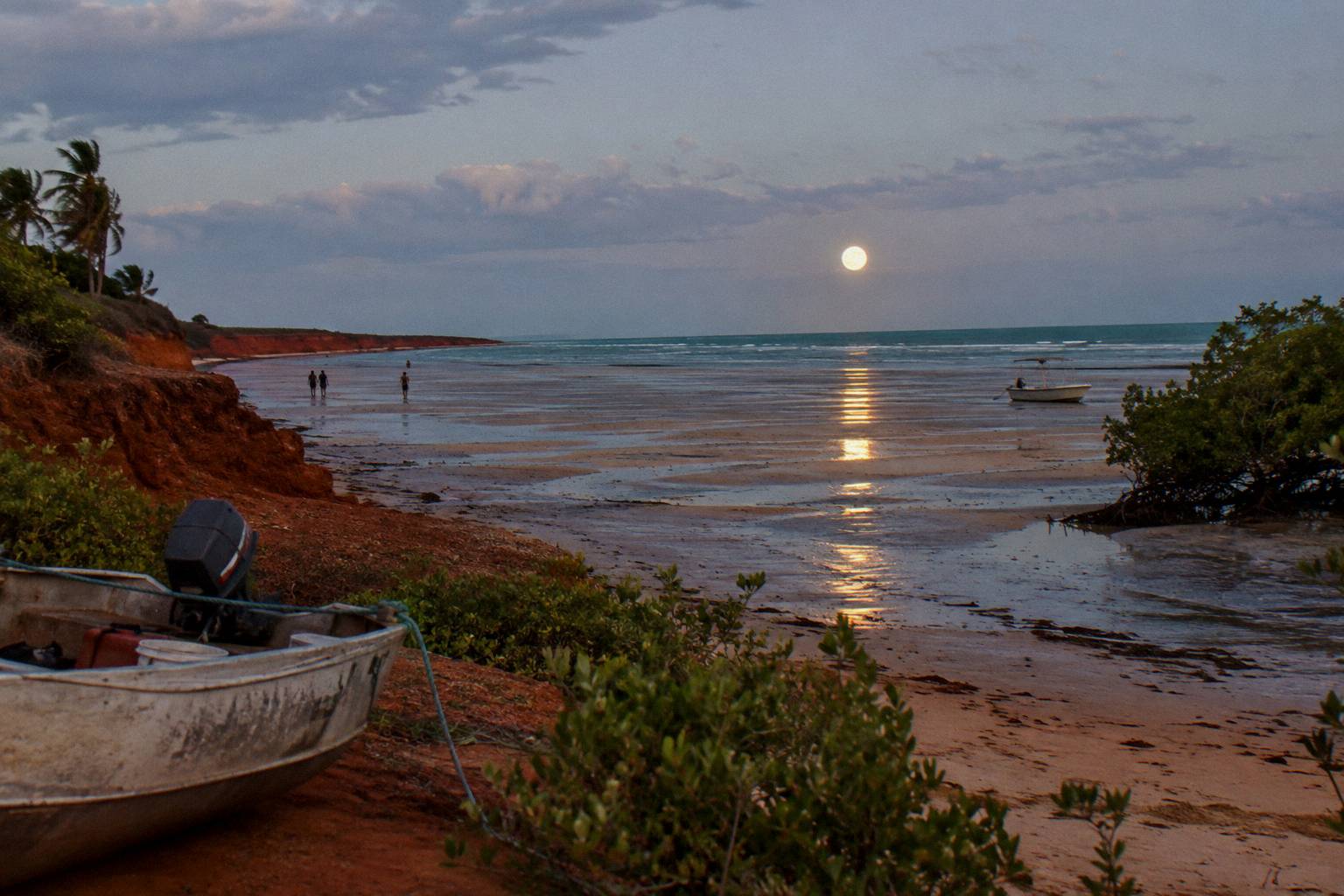
One last note on reading the numbers: because Western Australia keeps no daylight saving, the clock time you see in the table is the clock time on your booking confirmation all year. The two-minute accuracy of the calculation matters less than the fact that departure times move, so if you sailed in June and sail again in December, do not carry the old pickup time across; check the confirmation each trip.
The Three Boats And Where You Can Shoot From
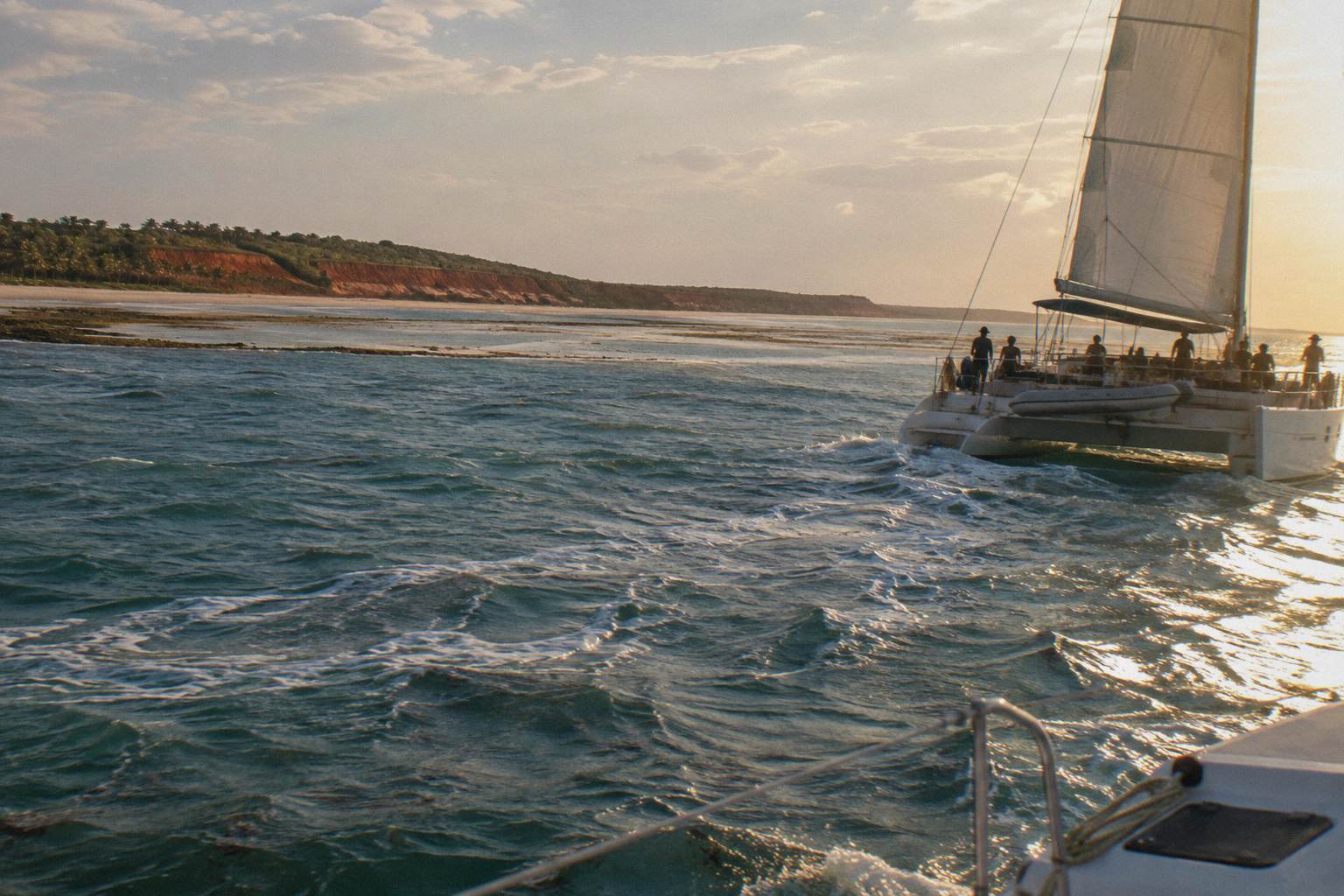
Broome Whale Watching runs Orcaella, a 50-foot catamaran surveyed for 46 passengers and limited to about 38 on its dolphin and whale cruises, while Broome Tours runs Ballena, a 42-foot catamaran with 8 shaded cockpit seats, bow shade seating for 10, an air-conditioned saloon, 2 toilets below deck and a maximum of 36 guests. Those are the operator-stated layouts, and they are the closest thing to a seat map that exists in the sources.
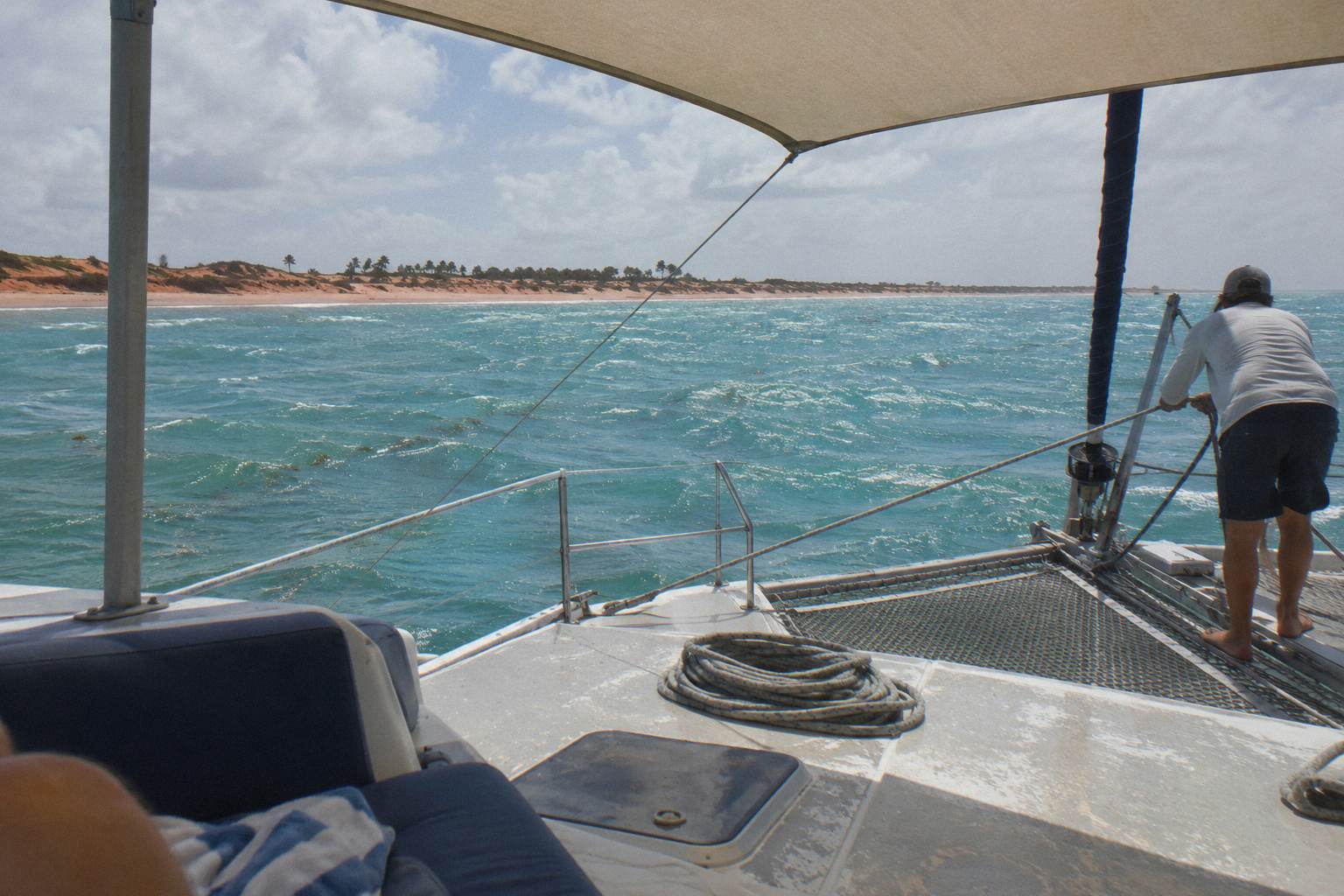
What each layout means for framing is a matter of geometry, not of an unnamed best side. On Ballena, the operator lists an air-conditioned saloon, 8 shaded cockpit seats and bow shade seating for 10, plus 2 toilets below deck and filtered desalinated water, so shaded and open positions both exist on one hull, and the saloon gives you a place to retreat to between shoots. On Orcaella, Broome Whale Watching states the bow is in the sun while the back deck and top deck are shaded, which is the most explicit sun-and-shade statement any operator makes, and the two-level arrangement means a higher and a lower vantage both exist on the one boat. No source names a best side for sunset, and none will be named here; the which side of the boat is best for sunset post covers why the honest answer depends on the route, not a fixed rule.
| Operator | Vessel | Capacity (operator-stated) | Deck facts stated |
|---|---|---|---|
| Broome Whale Watching | Orcaella, 50-foot catamaran | surveyed for 46, about 38 on dolphin and whale cruises | bow in sun, back deck and top deck shaded |
| Broome Tours | Ballena, 42-foot catamaran | minimum 5, maximum 36 | saloon air-conditioned, 8 shaded cockpit seats, bow shade for 10, 2 toilets below deck |
The fourth boat worth knowing about is Zenysis, the 42-foot vessel behind the small-group whale cruise on the roster, reached by amphibious transfer. Group size is one of the stated decision axes: Broome Tours carries 5 to 36 guests and Orcaella about 38 on dolphin cruises, while the small-group cruise sells precisely on its smaller numbers. For a photographer, fewer guests can mean less competition for rail space, though no operator states a guest-to-deck ratio, so treat that as reasoning rather than a promise.
The operator's own pages carry the current details for each boat, including Orcaella's sunset cruise page.
Camera Gear And What The Operators Say To Bring
Broome Whale Watching's stated packing list names a camera explicitly, alongside bathers and a towel, sunglasses, a hat, a water bottle and thongs or slip-off shoes; Broome Tours adds a light jacket from June to August after sunset and notes slip-on shoes can stay on the bus because of the wade. Those are the only gear statements in the sources. No operator page publishes camera settings, lens recommendations or a best-side rule, so this page prints none either.
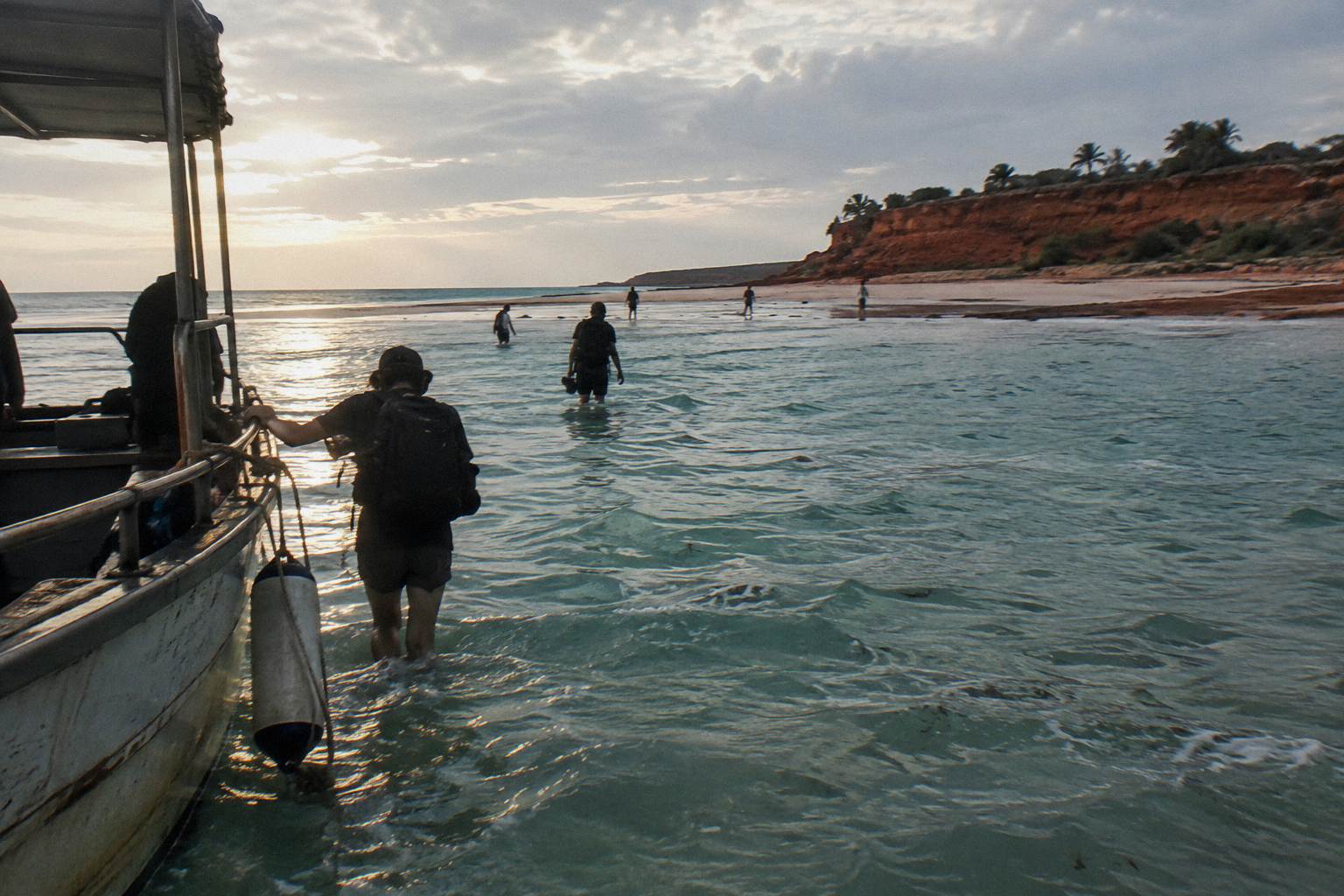
What can be built from the stated facts is a packing frame. The bring-a-camera note tells you the operators expect photographers aboard, and the footwear notes exist because boarding involves salt water. On Broome Tours you wade ankle-deep to a tender, and slip-ons can stay on the bus; Broome Whale Watching moves guests from the beach on an amphibious transfer vessel. A photographer should plan for sand, a wade and wet gear handling, whatever is in the bag. That means thinking through how the bag itself crosses the water, how it is stowed once aboard, and what stays dry. The full boarding picture is in the getting to the departure point guide, and the clothing logic is in what to wear on a sunset cruise.
| Operator | Boarding method | Operator-stated gear notes |
|---|---|---|
| Broome Whale Watching | amphibious transfer vessel from the beach | camera, bathers and towel, sunglasses, hat, water bottle, thongs or slip-off shoes; some agility required |
| Broome Tours | ankle-deep wade to a tender at Cable Beach or Roebuck Bay | light jacket June to August after sunset; slip-on shoes can stay on the bus |
Two onboard comforts are stated and worth knowing on a long shoot: a toilet is aboard Orcaella, and Ballena has two below deck. That matters for a photographer carrying extra layers, a jacket and a towel on a longer sailing, since there is somewhere to change or dry off mid-trip. Boom-net swimming, a net towed behind the boat, is offered by Broome Whale Watching from late March to early October and by Broome Tours from April to early October, when conditions permit, which is a reason to pack the towel even on a photography-focused evening. The June-to-August jacket advice is the other seasonal note: after sunset in the middle of the year the operator expects the air to cool, and a photographer standing still on deck feels that before anyone dancing at the rail does.
Matching The Cruise To The Shots You Want
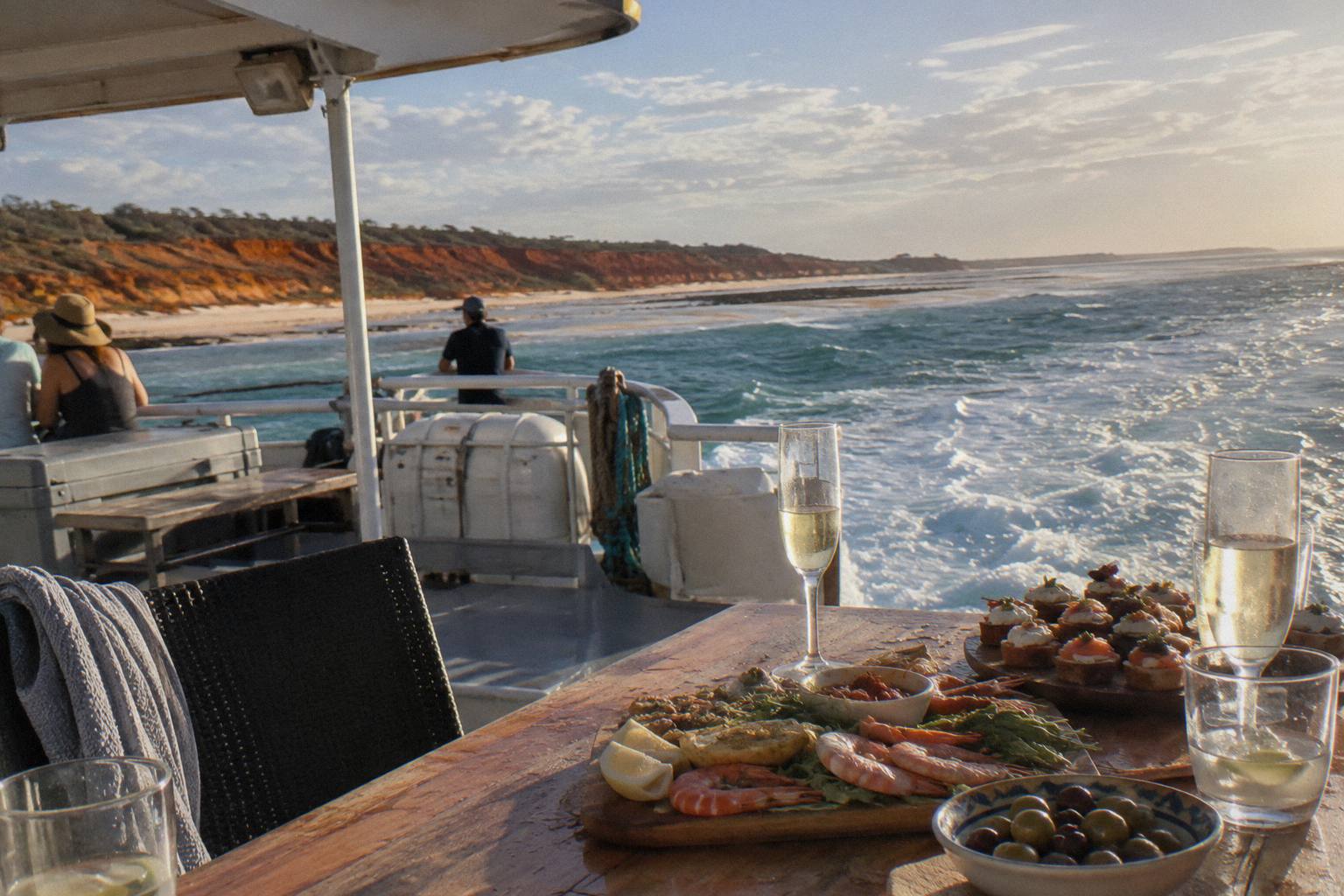
The roster splits into two canape-and-drinks sunset cruises of about 3.5 hours and two whale-season cruises of about 4.5 hours; the duration plus the boarding point are the two stated axes a photographer can actually choose on. Cable Beach or Roebuck Bay boarding, pickup or meet-at-the-beach, whale season or not: those are the real decisions, and they are all in the tour data.
The two canape cruises carry the only published operator prices on the roster. Broome Tours' Broome's Iconic Catamaran Sunset Cruise is the operator's price of A$160 adult, A$145 senior or concession, A$110 child aged 5 to 14, infants up to 2 free, and A$505 for a family of 4. Broome Whale Watching's Sunset Cruise With Canapes And Transfers is A$170 adult, A$160 senior, A$99 child aged 2 to 14 and A$498 for a family of 4, a saving of A$40 by the operator's own page.
The whale-season cruises, covered next, are a different brief altogether. Check availability for the canape cruise beside the internal canape sunset cruise guide.
Whale-season photography is its own project. Visit Broome says humpbacks winter in Kimberley warm waters from June to mid September and calls the region home to the world's largest population of humpback whales, in the tens of thousands. Sightings are never guaranteed by any operator, and no sighting odds are stated for the bookable whale cruises. The can you see whales on a sunset sail post unpacks the windows, and the whale season evening cruise guide covers the products, the Whale Watching And Sunset Cruise and the Small-Group Whale Watching Sunset Cruise.
Routes, Landmarks And What You Will Pass
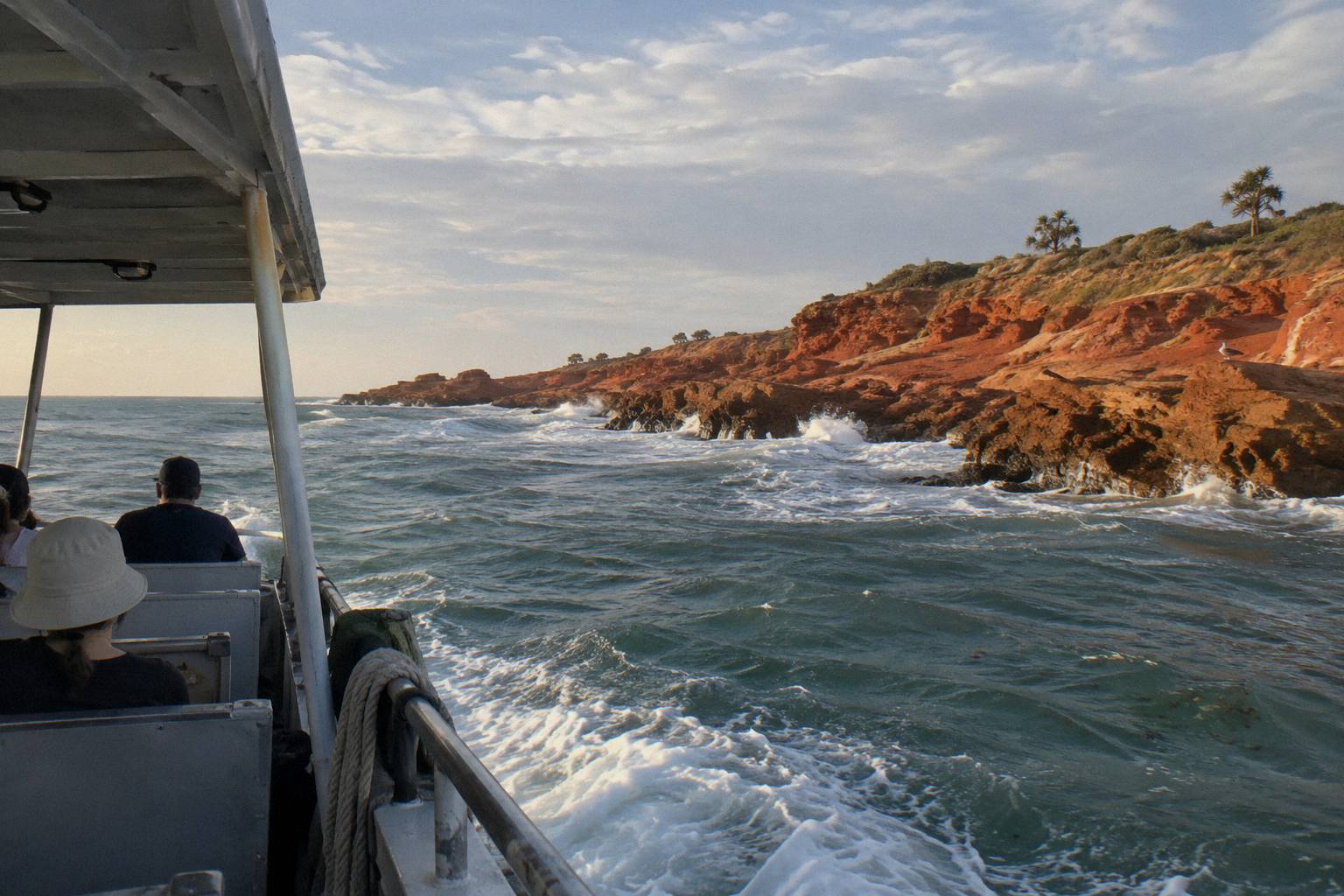
The stated routes are: Broome Whale Watching boards in Roebuck Bay and, from April to June, cruises Reddell Beach and Cable Beach before returning to Roebuck Bay from September to November, while Broome Tours departs from Cable Beach or Roebuck Bay, and the small-group whale cruise lists a Gantheaume Beach meeting point. Those landmark names are the complete stated scenery; nothing about the look of any of them from the water is in the sources.
Gantheaume Point carries one stated bonus for a photographer on a low tide: Visit Broome notes the dinosaur footprints show on tides under 2.16 m, and the Catalina flying-boat wrecks under 0.86 m, with Bureau of Meteorology tide tables linked from its tides page. The Kimberley coast has the biggest tides in the southern hemisphere, with a difference between high and low of up to around 10 metres, by Visit Broome's own wording. No operator states how tides change a cruise, a boarding or a departure, and no tide-by-cruise rule exists, so ask the operator or read the booking confirmation rather than assuming. The tides and evening cruises guide covers this properly.
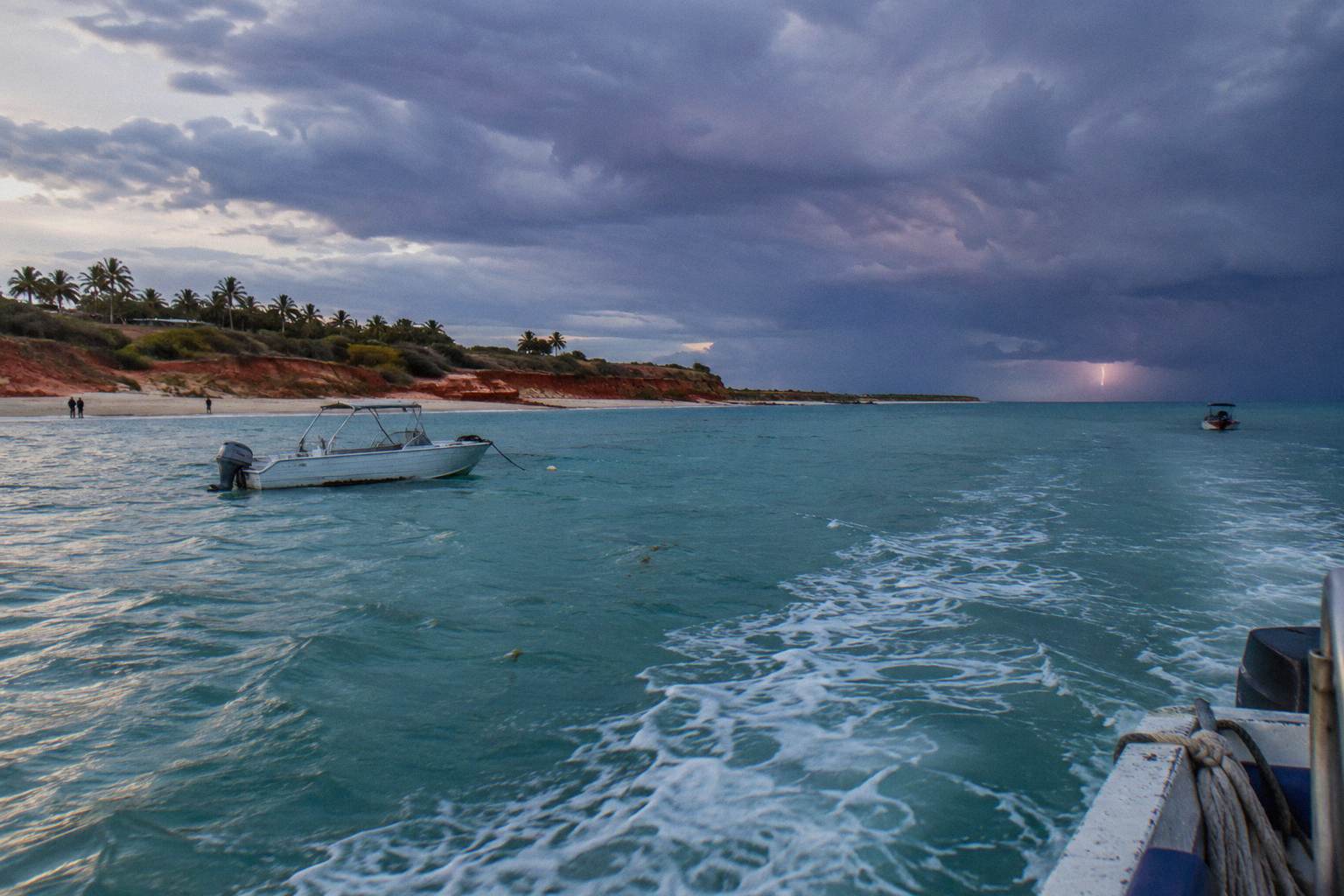
Roebuck Bay itself is the Yawuru Nagulagun Roebuck Bay Marine Park, jointly managed with Yawuru Traditional Owners under a DBCA management plan, and DBCA describes its intertidal flats as among the most productive tropical intertidal flats in the world. No marine-park rule, zone or permit is stated in the sources, so none is printed. For the bay-specific products, see the Roebuck Bay sunset cruise guide, and for the beach side, Cable Beach from the water.
The Staircase To The Moon Problem For Photographers
No sunset boat product on the roster is a Staircase to the Moon cruise: no operator states a Staircase departure, a moonrise cruise or a return time, and the one Staircase-titled boat product found earlier no longer runs, so the moonrise is an evening to plan from Town Beach beside a cruise, not from one. That is stated once here because photographers ask constantly, and the honest answer is that the two events are separate bookings, or one cruise and one free evening.
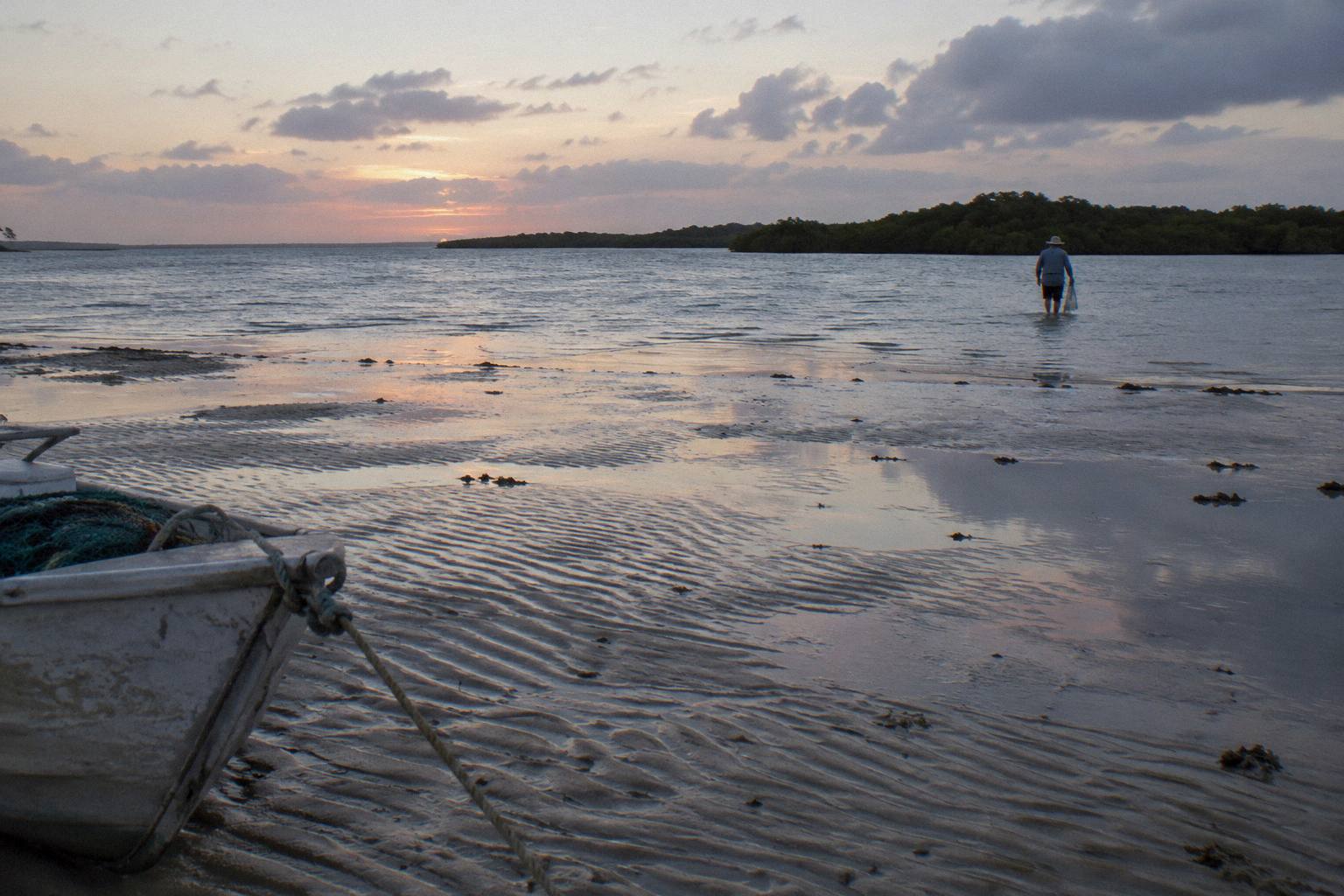
The Staircase happens when the full moon rises over the exposed tidal flats of Roebuck Bay and the reflection reads as a staircase. Visit Broome publishes 2027 dates and moonrise times, supplied by Kimberley Astronomy Tours, running from March 23 in the evening through the October dates, across 2 to 3 nights a month, with markets at the Town Beach precinct on Hamersley Street from 4pm to 8pm on selected dates. Visibility varies with weather, tides, sunset and moonrise. The full date table is in the Staircase to the Moon dates guide.
Booking, Cancellation And Protecting Your Chances
Cancellation terms differ by operator and are never site-wide: Broome Whale Watching gives no refund inside 48 hours and needs a week's notice for groups of 4 or more; Broome Tours refunds in full more than 48 hours out, and its weather or mechanical cancellations are refunded in full too. Some roster booking pages show free cancellation up to 24 hours, so the terms of the page you actually book on are the ones that count.
A photographer's interest in these terms is straightforward: weather is the variable, and every operator cancels for it. Broome Whale Watching and Broome Tours reschedule or fully refund when they cancel for weather or mechanical trouble. Operators also cancel for low numbers at Broome Whale Watching. No operator publishes sell-out or demand statistics, so no number for how far ahead to book exists; the practical guidance is in how to book a sunset sail and do you need to book a sunset sail in advance.
When an operator cancels, the recovery steps are covered in what if the sunset sail is cancelled. And for the light-sensitive, the weather for evening boat trips guide sets out what the operators themselves say about conditions, without inventing forecasts no source contains. Broome's evening light is the product every one of these boats sells, and Broome Sunset Cruises keeps the whole roster of evening sailings in one place when you are ready to compare.
Common Questions About Photographing The Sunset From A Boat
What Time Does The Sun Set In Broome?
Approximate sunset on the 15th of each month runs from about 5:23pm in June to about 6:33pm in January, Australian Western Standard Time, from a solar calculation accurate to about two minutes. Boats depart ahead of sunset; the booking confirmation gives the exact time.
Which Boat Is Best For Sunset Photography In Broome?
No source names a best boat for photography. The stated layouts are Orcaella's sun-exposed bow and shaded back and top decks and Ballena's 8 shaded cockpit seats and bow shade for 10. Choose on stated capacity, duration and boarding point.
What Camera Gear Should I Bring On A Broome Sunset Cruise?
Broome Whale Watching lists a camera, sunglasses, a hat, a water bottle and slip-off shoes; Broome Tours advises a light jacket from June to August after sunset. Plan for sand and a salt-water wade at boarding. No operator publishes camera settings or lens advice.
Is One Side Of The Boat Better For Sunset Photos?
No operator states a best side, and the honest answer depends on the route each boat runs. Broome Whale Watching cruises Roebuck Bay and Cable Beach on stated legs, while the two bookable whale watching sunset cruises give you the whale-season routes and timing on their booking pages.
Can I Photograph Whales Or Dolphins On A Sunset Cruise?
In the whale windows, yes, but never guaranteed. Visit Broome places humpbacks in Kimberley waters from June to mid September, and the site's two bookable whale cruises, Whale Watching And Sunset Cruise and Small-Group Whale Watching Sunset Cruise, run about 4.5 hours across the season. Snubfin dolphins are Broome Whale Watching's main target, with no sighting guarantee.
Can A Sunset Cruise Photograph The Staircase To The Moon?
No. No cruise product on the roster is a Staircase to the Moon cruise, and no operator states a moonrise departure or return time. The Staircase is viewed from the Town Beach precinct, 2 to 3 nights a month between March and October.